

Property managers face mounting pressure as maintenance expenses continue rising. According to recent UK government data, 66.1 percent of landlords declared repairs and maintenance as a major expense category in 2023-24. However, cutting costs needn’t mean sacrificing standards. Certain strategic approaches can really lower expenditure whilst maintaining high-quality living environments.
Use data to plan maintenance ahead
Reactive maintenance drains budgets through emergency callouts and premium-rate repairs. Forward-thinking property managers now employ digital monitoring systems that track equipment performance, identifying potential failures before they occur. Building management software can schedule routine inspections, monitor service histories, and flag components approaching their expected lifespan. This data-driven method changes unpredictable emergency spending into manageable planned expenditure, lowering overall costs by preventing small issues from escalating into expensive disasters later down the road.
Standardise components for easier repairs
Consistency across your property portfolio can simplify maintenance operations. When every unit features identical fixtures and fittings, replacement parts can be bulk-purchased at favourable rates, reducing both material costs and inventory complexity. Maintenance teams become intimately familiar with standardised components, working more efficiently and requiring far less specialist training. Consider specifying universal elements like white internal doors throughout your properties, as these timeless, durable choices simplify future maintenance whilst presenting a clean, professional appearance that appeals to tenants. Standardisation also accelerates turnaround times between tenancies, which then minimises void periods.
Manage labour costs through skilled teams
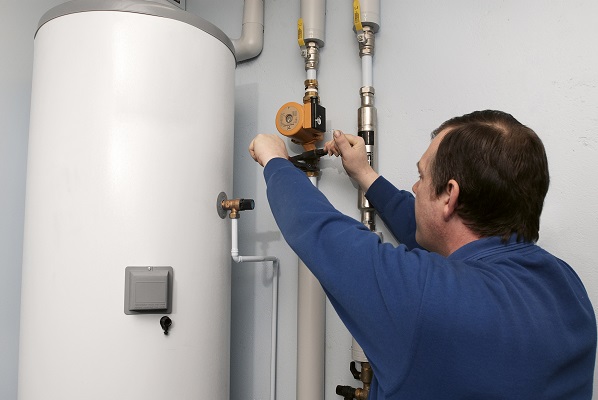
Whilst employing qualified maintenance personnel might appear expensive initially, this investment typically pays substantial dividends. According to Property Investor Today’s 2025 research, 46 percent of landlords attempting DIY repairs subsequently required professionals to rectify their work. This is often at greater expense than the original quote, of course. Skilled technicians diagnose problems accurately for the first time, complete repairs efficiently, and guarantee compliance with building regulations. You should consider retaining preferred contractors who understand your portfolio, offering them consistent work in exchange for preferential rates.
Choose quality over short-term savings
Purchasing the cheapest available materials frequently proves a false economy. Inferior products need replacement far more frequently, disrupting tenants and generating repeated labour costs. Premium fixtures typically offer extended warranties, better performance, and longer service lives. Whilst initial outlay increases, the total cost of ownership over ten years often proves substantially lower.
Stay compliant and reduce legal risks
Recent UK regulations around building safety and service charge transparency have intensified scrutiny on property management practices. Non-compliance risks substantial penalties, potential prosecution, and reputational damage that far exceeds proactive maintenance costs. Regular compliance audits, documented maintenance schedules, and transparent tenant communication protect against legal exposure whilst showing professional management standards.
Strategic maintenance planning changes cost management from reactive firefighting into controlled, predictable expenditure whilst preserving, or even enhancing, property standards.



Leave a Comment