
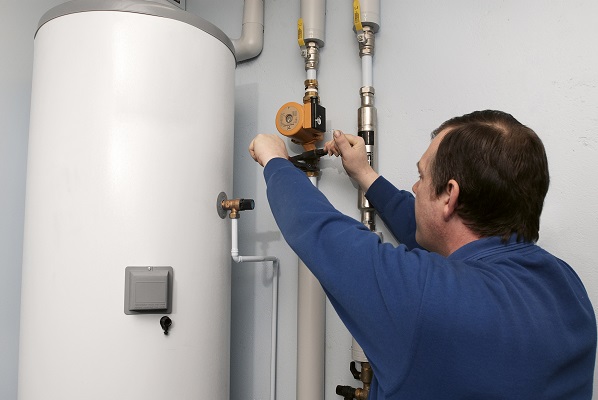
You want to ensure your home doesn’t come with hidden plumbing nightmares. From outdated fixtures to cracked pipes, ignoring red flags may lead to costly repairs that derail your property investment.
You need practical tips to spot water damage, assess overall system health, and prevent major headaches. Proper drainage, reliable pipes, and functional fixtures should top your checklist before sealing the deal.
Always watch for hidden leaks, says Dan’s Plumbing tips website. With reliable guidance, you’ll quickly spot trouble, tackle issues early, and save big on repairs. Secure peace of mind before finalizing your home purchase.
Check plumbing system age
Determining plumbing age gives you insights about potential repairs and replacements before committing to a property. Older systems often hide expensive problems waiting to surface.
- Check inspection reports to learn if owners replaced main lines or neglected them over decades.
- Note pipe installation dates since galvanized steel or lead lines corrode and complicate financing, insurance.
- Ask about prior service since scheduled maintenance and prompt fixes extend plumbing lifespan, preventing replacements.
- Search local regulations regarding outdated materials or required upgrades that might force expensive updates right after purchase.
Some professionals recommend comparing original build records to see if previous owners swapped sections. This step clarifies potential weaknesses concealed behind walls or complex layouts.
Consult online resources, such as this discussion forum, to discover practical tips on dating a home’s plumbing system accurately and avoiding serious unexpected problems.
After verifying installation timelines, consider requesting professional camera inspections if uncertain. Technicians can scope lines to reveal hidden weak spots and evidence of prior patchwork.
Plumbing system age also influences your renovation budget and insurance rates. That’s why important early research prevents surprises, ensuring you negotiate wisely before finalizing contracts.
Various municipalities have different codes for older pipes, so gather local rules. Doing so ensures compliance and avoids costly penalties after closing the property deal.
Inspect for rust and corrosion
Corrosion poses a significant threat to your plumbing, often going unnoticed until leaks or blockages appear. By inspecting proactively, you greatly reduce extensive repair costs.
Recognise warning signs
Subtle rust spots, greenish deposits, and discoloured water are major indicators. These signs may hint at galvanic corrosion or pitting, very often weakening metal pipes.
DIY testing techniques
Try measuring pH levels and checking for iron, sulphur, or chlorine using basic kits. Monitoring these elements alerts you to potentially dangerously corrosive water conditions.
Professional assessment benefits
Skilled plumbers can use advanced leak detection tools, cameras, and multimeters to trace serious hidden corrosion. Hiring experts ensures pinpoint accuracy when evaluating metal deterioration.
Early detection spares you from unexpected flooding, water quality concerns, or compromised structural integrity. Corroded pipes can lead to expensive home renovations down the road.
Addressing corrosion promptly helps you avoid significant disruptions to overall daily life. Scheduling periodic checks will maintain reliable water flow and protect your family’s health.
For a thorough guide, read materials from specialists explaining corrosion testing. Detailed instructions empower you to recognize risks and act responsibly, without costly surprises.
Corrosion troubles rarely resolve themselves. Prioritize this inspection before finalizing a purchase, ensuring that damaged pipes don’t compromise your investment or your peace of mind.
Evaluate water heater condition
A healthy water heater ensures consistent hot water supply. Dysfunction, however, leads to cold showers, higher energy costs, and potential water damage if leaks occur.
- Check the manufacturing date for a realistic idea of remaining lifespan before budgeting for replacements.
- Monitor noises like clanking or popping, as sediment buildup can reduce efficiency and degrade components.
- Inspect temperature settings for consistent performance, ensuring scalding water or lukewarm showers don’t become troubles.
- Flush tanks annually if recommended, because periodic maintenance eliminates mineral sediment that harms heating elements.
Reviewing warranties helps you understand coverage for failing parts. This knowledge prevents disputes with sellers if you uncover a major malfunction soon after moving in.
Corrosion and sediment buildup inside tanks can compromise water quality, introducing possible health hazards. Regular checks ensure your household avoids mineral contaminants in everyday usage.
Drain valves should open smoothly without leakage. Sticky or damaged valves risk uncontrolled flooding during maintenance, so confirm they function correctly before finalizing any sale.
Water heater sizing matters. If a system is too small, occupants might face daily hassles. Overly large models can drive bills much higher than necessary.
Schedules for tank replacement vary, so confirm approximate lifespans. Investing in an efficient heater can significantly improve property value and comfort for the entire household.
Locate emergency shut-off valves
Knowing where to cut off water flow can save you thousands if a pipe bursts. This simple step keeps small issues from escalating very quickly.
Central shut-off importance
A central shut-off valve stops all water supply at once. Learn its location immediately, so you’re prepared for costly emergencies and avoid extensive water damage.
Appliance-specific valves
Individual fixtures often have localized valves. Knowing these small shut-offs allows you to isolate a toilet leak or dishwasher mishap without eliminating water everywhere else.
Regular valve testing
Open and close valves periodically to prevent seizing. Stuck valves defeat their purpose during crises, so be sure everything can fully rotate smoothly when tested.
Identify shut-offs near water heaters too. This location is critical if the tank develops problems. Quick action can halt leaks before major structural destruction occurs.
Many older homes have hidden valves or difficult basement access. Prepare by mapping shut-off points in advance, ensuring you’re not fumbling during extremely stressful incidents.
Valves are vital for simple repairs too. Turning off localized points lets professionals swap fixtures without interrupting every faucet or creating broad significant plumbing disruptions.
Regular checks ensure these mechanisms stay functional. If you’re unfamiliar with shut-off placements, ask inspectors or knowledgeable neighbors for guidance before finalizing your property purchase.
Identify pipe material type
Pipe composition can influence water taste, durability, and overall cost of replacement. Various metals and plastics exhibit distinct strengths, so research materials carefully before definitively deciding.
Copper pros and cons
Copper piping resists corrosion but can require soldered joints. While it’s a metal, insulative wrapping may be necessary to prevent heat loss in colder climates.
Galvanised steel issues
Galvanized steel pipes are prone to rust over time. Mineral deposits can accumulate, significantly narrowing water flow and gradually diminishing overall pressure throughout your residence.
Plastic alternatives
PEX and PVC are popular for affordability and straightforward installation. They resist corrosion, but sunlight exposure or extreme heat can significantly weaken certain plastic formulations.
Identifying underground materials is equally important. Some old lines are made from outdated composites that deteriorate faster, so ask for property records detailing pipe upgrades.
Watch for mismatch issues if sections of copper meet steel. Galvanic reactions form when dissimilar metals contact each other, accelerating corrosion and reducing overall longevity.
Coordinate with plumbing experts to determine if partial replacements are enough or if an entire overhaul is smarter. Installing consistent materials avoids future compatibility concerns.
Material choices affect water quality, overall cost, and system longevity. Ensuring your property’s pipes match modern standards spares you trouble and safeguards long-term resale value.
Test water pressure levels
Stable water pressure keeps routines comfortable, avoiding surprise dribbles in the shower or bursts that strain fixtures. Testing regularly preserves both hardware and personal convenience.
- Acquire a gauge from a hardware store, attach it to an outdoor spigot, and measure psi.
- Turn off internal faucets for reading, no competing water usage disrupts the measurement results.
- Expect psi around 40-60. Higher readings strain pipes; lower values point to blockages or issues.
- Give it time to fully stabilize, waiting minutes before finalizing and adjusting regulators if necessary.
Regular checks encourage early detection of hidden leaks or blockages. Pressure changes often signal advanced corrosion or aging pipes that can seriously disappoint new homeowners.
Consider installing or maintaining a pressure regulator. Adjusting this device ensures water pressure remains within a safe range, keeping faucets and appliances smoothly operating efficiently.
When pressure repeatedly spikes, you risk damaged seals and hoses. Such bursts can destroy washing machines, dishwashers, or any plumbing connections not rated for extremes.
Low pressure complicates daily activities like showering and dishwashing. It can also signal large obstructions, meaning partial or full repiping might be on the horizon.
Testing both hot and cold lines highlights any imbalance. Sometimes heater issues cause pressure disparities, making it crucial to evaluate every portion of the system.
Examine sewer line status
Sewer line troubles create unpleasant odours, slow drains, and potential health risks. Evaluating this hidden pipeline is vital for a comfortable, worry-free daily living environment.
Blockages often develop from tree roots infiltrating cracks. Once inside, they expand, causing backups or leaks that may seriously jeopardize foundations if ignored too long.
Sluggish draining or persistent gurgling noises hint at partial clogs. Request a sewer camera inspection if conventional plunging fails to fully and solve drainage difficulties.
Older clay or cast-iron sewer lines degrade over decades. Subtle cracks can allow sinkholes to form, leading to expensive yard repairs and possible structural risks.
Survey property disclosure documents for mentions of previous sewer repairs. Frequent fixes indicate ongoing problems that might persist without a thorough overhaul or pipe replacement.
Odours within the house sometimes arise from unnoticed sewer line gaps. Tracing these smells early prevents very harmful toxic gases from accumulating in living spaces.
Addressing sewer line issues promptly keeps your future property safe. Factor potential repairs into negotiations to avoid inheriting a substantial drain or unexpected excavation costs.
Sealing the deal
Now that you’re equipped with essential insights, proceed confidently when finalizing your property. Consider expert opinions from trusted professionals to ensure smooth operation and peace of mind before closing on your home. Seek professional guidance today.



Leave a Comment