
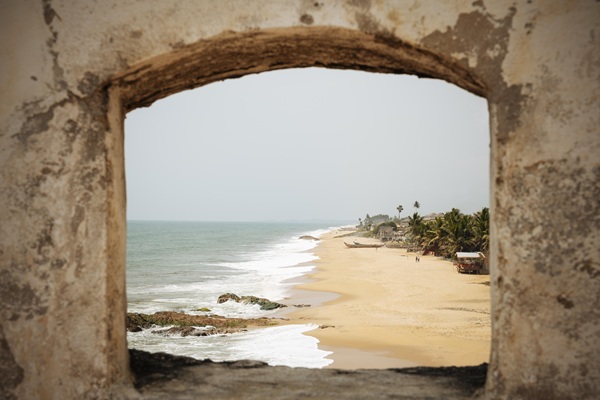
Most British visitors to the Algarve think of beaches and golf, but the eastern end of the region rewards a slower approach.
People who search for properties for sale in Algarve Portugal around Tavira and Vila Real de Santo António often say the quiet cycling routes and the Ria Formosa lagoon were what drew them there in the first place.
The Ria Formosa is a protected natural park made up of channels, salt marsh and sandbanks that runs along much of the coast near Faro and Tavira. It is a significant stop for migrating birds, and the shallow water gives the coastline its calm, flat look.
What makes the landscape special
The lagoon is a patchwork of islands, mudflats and tidal channels, separated from the Atlantic by a chain of barrier islands. At low tide, the flats fill with wading birds and shellfish gatherers. At high tide, boats nose through the channels, and the water takes on a glassy sheen in the evening light.
Birdwatchers come to look for flamingos, spoonbills and the purple swamphen, which is the park’s emblem. Even casual visitors often notice the variety of birdlife, particularly in spring and autumn when migrants pass through.
Where to ride
The Ecovia do Litoral is a signposted route that follows the coast from the Spanish border toward the west, and sections between Vila Real de Santo António and Tavira are especially pleasant. They run through pine woods, past salt pans and along quiet lanes, and the terrain is mostly flat, so you do not need to be a serious cyclist.
A good half-day ride goes from Tavira towards Santa Luzia and Cabanas, with stops to watch the salt pans and the fishing boats. A longer outing links Vila Real de Santo António, Monte Gordo and Cacela Velha, a tiny whitewashed village with a fort and a view across the lagoon.
Eating along the way
Fish and seafood come fresh to the small restaurants on the waterfront, and grilled sea bream, clams and octopus are common. Lunch spots in villages such as Cabanas de Tavira sit right beside the water. Book ahead in summer, since the best tables fill quickly.
Look out for cataplana, a seafood stew cooked in a copper pan, and for the sweet fig and almond cakes sold in local bakeries. A long, unhurried lunch is part of the rhythm of the day here, and cyclists soon learn to plan around it.
Best months
Spring and autumn are ideal, with warm days and fewer crowds. July and August can be hot enough that early mornings are the only sensible time to ride. Carry water and a hat, and use sun cream even on cloudy days.
Winter can also be rewarding, with mild days and empty paths, although some beach cafes close and occasional rain is likely. Spring brings wildflowers along the lanes, and autumn light is soft and golden.
Getting around the area
Tavira has a railway station, and trains run along the coast to Faro and beyond, which makes one-way rides possible. Many cyclists take the train out and ride back, or catch the ferry to the barrier islands and explore on foot. Bike racks and rules vary, so check ahead if you plan to carry a bike on public transport.
Ferries run from Tavira and Santa Luzia to the island beaches, and in summer they are frequent. They are a pleasant way to spend an afternoon, with long stretches of sand and few buildings.
Getting started
Bikes can be hired in Tavira and several nearby towns, including electric models that make longer rides easy. For UK visitors, the route is a good way to see how different the eastern Algarve is from the busier central coast.
Take a light backpack, a puncture kit and a map or offline route. Respect the nature reserve rules, stay on marked paths and leave the birds undisturbed. A relaxed day in the saddle, a seafood lunch and a ferry ride back is hard to beat.



Leave a Comment