
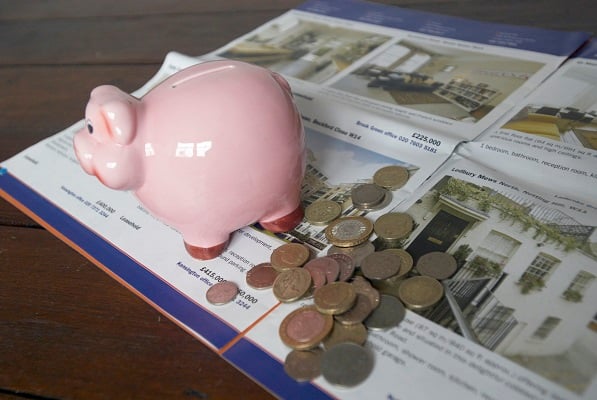
Mortgage approvals for house purchases in the United Kingdom declined notably in January 2026, falling to their lowest level in two years, according to the Bank of England.
The total number of mortgage approvals slipped to 59,999, indicating a significant decrease as it fell below the pivotal 60,000 mark for the first time since January 2024, when approvals stood at 55,946.
This decline in mortgage approvals highlights a notable trend in the housing market, reflecting reduced buyer interest and momentum.
Additionally, approvals for remortgaging, which involve borrowers switching their existing loans to different lenders, also saw a modest drop.
In January, remortgaging approvals fell to approximately 38,100, down from 38,400 in December.
Despite a slowdown in lending activity in the mortgage sector, the Nationwide Building Society provided a somewhat optimistic outlook on house prices.
According to their data, average house prices across the UK increased by 0.3% month-on-month in February. Yearly growth also reached 1.0%, with the average house price now standing at £273,176. This suggests that while transaction volumes may be decreasing, property values are still experiencing gradual appreciation.
Nationwide also indicated that housing market activity is expected to improve slowly over the coming months. However, they cautioned that several factors continue to dampen demand, including ongoing affordability issues and higher borrowing costs due to elevated interest rates. These challenges have increased financial pressures on potential buyers, ultimately affecting their ability to secure mortgages.
Economists attribute the current softness in the mortgage market to a combination of factors, including persistently high interest rates, declining buyer confidence, rising cost-of-living concerns, and lingering uncertainties about the broader economy. Given these conditions, analysts predict lending activity may remain subdued unless borrowing costs decline significantly, suggesting a cautious outlook for the near future.
Lucian Cook, head of residential research at Savills, said: “With nominal house price growth running at just 1.0%, prices are still falling on an inflation adjusted basis.
“This is contributing to a gradual improvement in affordability, particularly across London and the south. However, against the current economic backdrop, many prospective buyers remain cautious about taking advantage of that improved position.”
He added: “At the top end of the market, activity above £1 million remains down 3.2% year‑on‑year. This increasingly points to a slow bottom‑up market recovery.”
Richard Donnell, executive director at Zoopla said: “The latest mortgage approvals data align closely to the overall trends in the housing market with a sustained recovery in sales since 2023 now starting to plateau.”
Rob Wood, chief UK economist at Pantheon Macroeconomics said: “Granted net new mortgage approvals for house purchase disappointed the consensus by falling to a two-year low.
“But we are confident that housing transactions will pick up now. Approvals are likely reflecting poor sentiment around the budget with a lag.”



Leave a Comment