
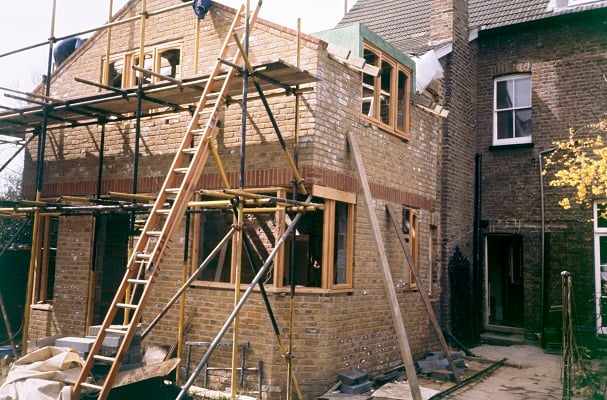
Turning a fixer-upper into a personalised home often starts with a Pinterest board and a simple budget. You notice the potential in the old Victorian floorboards or the clean lines of a modern addition, but renovating in 2026 is more complex than just seeing “before and after” photos.
Recent surveys show that nearly 40% of first-time renovators go over their initial budget by more than 20% before they even start decorating.
This matters because miscalculating early on can cause project delays, lower-quality finishes, or a home that costs more to fix than it will be worth.
To keep your vision alive during renovations, be sure to understand all the hidden costs involved.
Structural repairs and essential rewiring
First-time buyers and landlords often prioritise appearance, but hidden costs can be significant. When renovating older properties, a major expense is ensuring structural integrity, as modern building codes are stricter than those from 1950.
Rewiring a typical three-bedroom house costs between £4,000 and £7,000, depending on the complexity of the smart home features. If you discover rising damp during the renovation, you might need to spend an extra £1,000 to £5,000 for a damp-proof course and timber treatment.
The roof can also drive up costs. Fixing a few slipped tiles is cheap, but a full roof repair or replacement can cost from £2,000 to £8,000. These costs are essential; you should not install a fancy kitchen if the roof above it is leaking or the wiring is unsafe.
Professional fees and statutory compliance
Many beginners mistakenly believe the “builder’s quote” reflects the total project cost. Before work begins, you may spend thousands on paperwork and permissions, with a typical planning application fee in England around £258, but that’s just the start.
Building control approval makes sure your project meets safety and energy standards, costing between £600 and £1,000. If you’re removing internal walls or expanding, you’ll need a structural engineer’s report, which often costs £500 to £1,500. Skipping these steps to save money can lead to problems later.
Without the right completion certificates, you may struggle to sell your property or get a mortgage in the future.
Skilled labour rates and overrun penalties
The UK construction market is facing a serious skills gap, leading to record-high daily rates for skilled tradespeople. If your project is in London or even the South East, the “standard” rates you find online may be outdated.
General builders charge £200-£350 per day, while plumbers and electricians typically charge £250-£450 per day, depending on skill and the complexity of the installation. A two-day delay in a three-month project due to bad weather or late materials can cost nearly £1,000 in idle labour time.
Make sure to clarify whether your quote is a fixed price for the whole job or a daily rate. A daily rate can lead to high extra costs if the project runs into problems.
Waste disposal and skip hire logistics
Waste disposal is another expense many renovators underestimate. In Greater London, a standard builder’s skip can cost £350–£500, with permits and extended hire fees pushing the total higher. Factoring in skip hire early in the planning stage helps avoid premium last-minute bookings once demolition begins.
With waste compliance rules tightening and landfill charges rising, ProSkips skip hire providers in Kingston advise clients to separate materials thoughtfully to avoid overweight penalties or rejected collections.
Demolition projects typically need two or more skips, costing £700 to £1,000 for waste removal. If you’re in a terrace or flat without a driveway, budget an extra £50 to £100 for a local council road permit, as failing to obtain it can result in fines and immediate skip removal.
Material inflation and quote expiry
While prices have stabilised compared to previous years, material costs can still change unexpectedly, affecting renovation budgets. Timber and insulation prices can suddenly rise due to global supply chain issues. In some premium kitchen cabinet ranges, prices have increased by 10% to 25% each year.
The biggest risk to your budget is making “last-minute changes.” If you decide to move an electrical socket or even change the tile layout after ordering materials and while the workers are on-site, this can raise your costs by 20% or more.
Suppliers typically hold quotes for only 30 days. If you receive a quote in January but start work in May, expect flooring or windows costs to rise.
The 20% financial contingency fund
A successful renovator is not just someone who finds the cheapest quote. They are the ones who plan for unexpected issues. After you calculate your costs for structure, legal fees, labour, and materials, add a 20% extra fund. This money is not for upgrades like a lovely tap or a better light fixture. It’s a safety net for problems you might not see, like dry rot or a pipe that bursts in the second week.
Conclusion
By focusing on actual costs rather than overly optimistic estimates, you shift from just reacting to problems to actively managing your renovation project.
Professional property investors see these “hidden” costs as part of their budget, not as surprises.
If you embrace this same careful approach, your first renovation can end in celebration instead of a frantic search for additional funds. Successful property investments rely on having a realistic budget.




Leave a Comment