
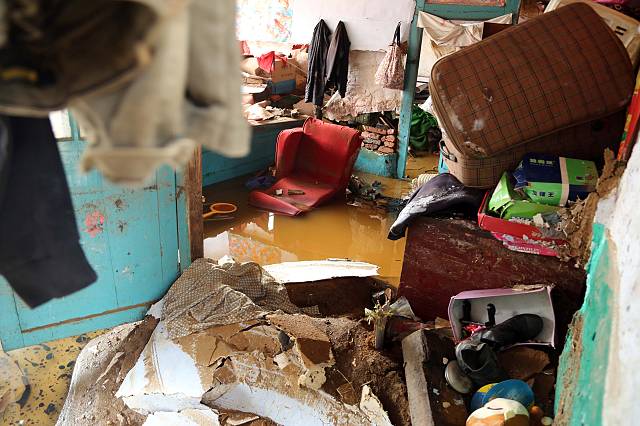
When unexpected water intrusion strikes your home, it quickly becomes a critical situation. Water damage, often the result of factors like burst pipes or flash floods, requires immediate attention in order to limit potential health risks and property loss.
Your primary obligation is to combat the issue promptly using specific steps for efficient water damage restoration. Preventing further damage saves you from extensive repairs and cost, as well as offering a safe, comfortable living environment.
If you are unsure about the restoration process or need professional help, don’t hesitate to get urgent help. Experts in the field can guide you through effective measures ensuring a swift recovery from water damage.
Conduct initial inspection
Begin by inspecting all water-damaged areas. Look for structural issues, moisture pockets, or safety hazards. A complete overview ensures a well-informed plan for restoration.
The inspection process
Check major systems prone to water problems. Examine foundations, walls, and any damp spots. Refer to detailed steps here for methodical evaluation.
Inspection report and recommendations
Document damage, listing hazards and required fixes. Use this report to prioritize repairs. Address the most critical issues first for efficient restoration outcomes.
Possible buyer and seller solutions
Buyers and sellers can negotiate repair costs, fix defects, or revise mitigation plans. Timely repairs help preserve property value and prevent complications.
Benefit from inspection contingencies
Contingencies let buyers re-evaluate unforeseen issues. They can negotiate further or withdraw if repairs prove excessive. This prevents unexpected financial burdens.
Quick tips for restoration
Act fast, attend inspections, and clarify findings. Negotiating fairly prevents overpaying for repairs. If damage seems overwhelming, walking away remains an option.
Remove standing water
Locate pools of water or damp surfaces. Remove them with a wet/dry vacuum or mop to reduce further complications. Always switch off electricity nearby.
For large-scale flooding, consider professional mitigation services for safety and speed. Immediate effort reduces overall damage and prevents electrical hazards or mold outbreaks.
- Measure and Calculate: Estimate room dimensions to gauge water volume. Proper calculations guide efficient disposal and safeguard essential structural elements.
- Ensure Safety: Move slowly on wet surfaces, wear slip-resistant footwear, and unplug electronics. Keep cords elevated to avoid shocks.
- Professional Assistance: Severe flooding calls for experts with advanced equipment. They handle large volumes swiftly, preventing deeper saturation issues.
- Prevention of Further Damage: Prompt water removal curbs mold or permanent harm. Confirm dryness before repairs to stop hidden moisture-related problems.
Water mitigation prevents worse damage, while restoration repairs to pre-loss conditions. Timely mitigation lowers health risks, reduces costs, and accelerates overall recovery.
Discard damaged materials
Dispose of damaged or contaminated items promptly, especially under Category 2 or 3 scenarios. Reducing hazards early smooths the path to recovery.
What items should be discarded after water damage?
Remove wet insulation, rugs, and unsalvageable drywall. Discard compromised appliances safely. Purging ruined materials prevents bacteria spread and secures structural stability.
Should damaged furniture be thrown away?
Upholstered furniture pierced by sewage water poses health threats. Discard items with deep contamination. Protect occupants by eliminating festering hazards promptly.
Are damaged toys and child items safe?
Toys exposed to questionable water, especially plush ones, should be removed. Discard pacifiers or nipples to safeguard children from lingering bacteria.
What precautions should be taken during disposal?
Wear gloves and goggles when handling contaminated waste. Ensure good airflow and comply with disposal regulations. Professional services help with highly hazardous debris.
How important is documenting disposal processes?
Record every discarded piece and secure sign-offs from insurers or owners. Proper documentation substantiates claims and keeps your restoration approach accountable.
For more comprehensive guidelines, visit Home Depot’s resource for solid disposal methods.
Clean and disinfect
Always protect yourself. Wear gloves, goggles, and a mask against chemical agents or debris. This basic gear significantly reduces health risks.
Drain standing water
Eliminate remaining water with vacuums or towels. Exercise caution near outlets to prevent shocks. Stay systematic for maximum efficiency.
Drying the area
Use fans or dehumidifiers to extract remaining moisture. Open windows for airflow. Dry surfaces thoroughly to prevent mold colonies.
Damage identification
Inspect carpets, drywall, or flooring for severe harm. Promptly discard irreversible materials. Keeping the workspace clear eases further repairs.
Cleaning surfaces
Apply a ten-to-one water-bleach mix. Gently scrub to remove grime. Rinse carefully, ensuring every layer is free from residue.
Sanitising non-porous surfaces
Spray disinfectant on sinks, counters, and tile. Cover corners thoroughly to deter bacteria. Regular cleaning maintains a healthier setting.
Mold treatment
Use remediation products to stop mold instantly. Wear protective clothing and isolate infected areas. Halt spores travel to unaffected zones.
Disinfecting tools
Thoroughly clean all cleaning gear post-use. This practice stops cross-contamination. Well-maintained tools support safe, efficient restoration progress.
Begin drying process
Assess damage severity before drying. Determine the source and plan containment. A methodical approach helps direct specialized drying measures.
Contain affected areas to limit spread. Prevent moisture migration and mold. Localized damage management curbs secondary problems and reduces expenses.
Extract pooling water with pumps. Rapid removal accelerates subsequent drying phases. Reduced standing water equals fewer structural complications long-term.
Use dehumidifiers and fans to speed evaporation. Lowered humidity fosters faster drying. Monitor conditions to adjust equipment and maintain efficiency.
- Monitor the drying process closely: Track moisture levels, refine tactics if dampness persists, and act fast to avoid mold surprises.
- Strive for a dry area: Hidden pockets may linger. Confirm dryness thoroughly to prevent recurring fungal or structural dangers.
- Equip the drying process appropriately: Tailor fans and dehumidifiers to damage scale. Suitable machinery heightens effectiveness and shortens overall timelines.
- Utilize IICRC classifications: Match Class 1–4 strategies to unique moisture conditions. An informed plan helps conquer varying severities.
Clean and disinfect after drying. This final sanitation step denies bacteria a foothold. Replace or fix damaged materials to restore functionality.
Handle necessary repairs
Hire a specialized team for thorough evaluation. Experts gauge detected problems, preventing overlooked damage and ensuring a comprehensive repair strategy.
Identify the source
Stop leaks or flooding routes immediately. Untreated water infiltration repeats costly issues. Walls, floors, or pipe joints may need replacing.
Remove damp drywall or floors to deter mold. Dry thoroughly and ventilate well. Address structural integrity for complete, lasting stability.
Mitigation and deodorisation
Use pumps, vacuums, and fans to remove moisture. Eliminate odors through disinfection. A clean environment minimises health risks for occupants.
Monitor and document the process
Periodically check drying progress. Capture photos of ruined materials for insurance backing. Detailed records confirm transparency and thorough remediation.
Reconstruction may be needed
Class 4 or severe structural damage can demand rebuilding. Certified professionals handle complex projects safely, reducing risks and ensuring code compliance.
Prevent future issues
Resolve water infiltration completely. Fix leaks and maintain thorough drainage. Full remediation deters mold resurgence and repeat structural concerns.
Reduce indoor humidity by venting air outside. Avoid directing dampness into attics or crawl spaces. Enhanced ventilation stops mildew growth.
Open windows for airflow. Dry wet spots quickly, preferably within 48 hours. Early action typically thwarts harmful mold infestations.
| Action | Importance | Tip |
| Check for leaks | Prevents moisture | Look for water stains or mineral deposits |
| Improve air circulation | Reduces humidity | Move furniture away from walls |
| Discard porous materials | Prevents mold growth | Remove insulation, ceiling tiles, and drywall |
| Use a HEPA vacuum | Final cleanup | Removes remaining debris after drying |
Position furnishings away from walls, and leave closets open for airflow. Swift responses slash mold threats dramatically.
After mold removal, clean surfaces with non-ammonia solutions. Materials wet beyond 48 hours should be discarded to stop infestation.
Finish by sanitizing solid items using a bleach-water mix. Work top-down for runoff control. Proper technique limits recontamination risks.
Final recommendations
In managing water damage, adherence to these steps guarantees an efficient restoration process. For professional assistance with especially complicated scenarios like flooded carpets, do not hesitate to consult water damage experts. They can help you ensure every detail is handled properly and prevent future issues.



Leave a Comment