
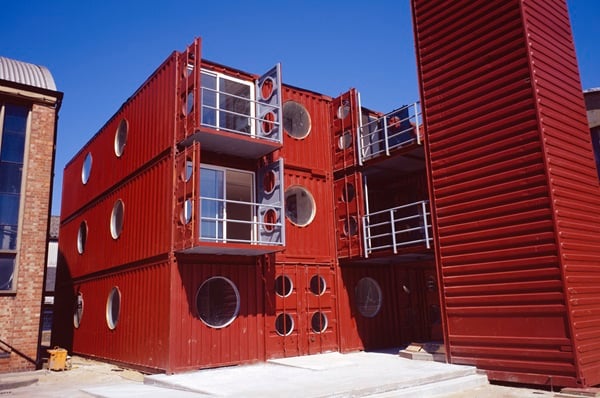
Shipping containers have come a long way. Once used solely for transporting goods, they’re now being reimagined as clever, cost-effective spaces for all sorts of businesses. Whether you’re eyeing a pop-up café, a sleek office, or a mobile studio, container conversions offer a flexible alternative to traditional builds—especially if you’re searching for a reliable container service in London.
This guide walks you through everything you need to know—from design ideas to practical considerations—so you can decide whether a container conversion is right for your next venture.
So, why are so many businesses turning to containers?
- They’re budget-friendly. Converting a container typically costs less than conventional construction—think lower labour, fewer materials, and faster turnarounds.
- They’re built to last. Crafted from tough corten steel, these containers were made to weather storms (literally). They’re solid, secure, and incredibly durable.
- Eco credentials? Tick. Repurposing old containers cuts down on construction waste and gives a second life to materials that might otherwise go unused.
- They move with you. Need to relocate? No problem. Containers are portable, making them ideal for businesses that may need to shift locations.
What can you actually do with a converted container?
Plenty. Here’s how businesses are getting creative:
- Retail Units: Pop-up shops, boutiques, or even mini-showrooms—all benefit from the industrial-chic look that customers love.
- Cafés and Bars: Set up quickly and stand out from the crowd. Whether it’s a cosy coffee nook or a bold outdoor bar, containers offer style on a budget.
- Offices and Studios: Fully kitted out with insulation, heating, and electrics, container offices are compact, efficient, and modern.
- Workshops: Need a private, secure space for your craft, tech setup, or design work? Containers can be customised into whatever you need.
The big draws: Why containers make business sense
- Customisation is easy – Add doors, windows, skylights, or completely refit the interior. The structure’s a blank canvas.
- Faster builds – Compared to bricks and mortar, container projects move at pace, helping you open your doors sooner.
- Minimal maintenance – These things were designed to survive the open sea. Regular buildings can’t quite compete.
A few things to think about before you dive in
Container conversions are exciting—but you’ll want to do a bit of prep first:
- Planning permissions: Always check local regulations. Some projects may need approval, especially in urban areas like London.
- Insulation matters: Steel boxes heat up (and cool down) quickly. Proper insulation is a must.
- Utilities: Plan early for electrics, plumbing, and internet. Retrofits can be costly if left too late.
- Structural changes: Cutting into the steel for large windows or doors? You’ll need to reinforce it properly to keep things safe and sound.
Design ideas that make the most of the space
- Let the light in: Big windows or glass sliding doors can totally transform a container into a bright, welcoming space.
- Think upwards: Limited footprint? Try a mezzanine or raised ceiling to make the interior feel bigger.
- Add sustainable touches: Solar panels, rainwater collection, LED lighting—these not only cut costs, they show your eco credentials too.
Final thoughts
Container conversions aren’t just a passing trend—they’re a smart, sustainable solution for modern businesses. Whether you’re launching a new idea or expanding into new territory, a well-designed container space can give you the functionality, flexibility, and aesthetic edge you’re after.
Thinking of setting up shop—or studio, or café—in a container? You’ll be in good company.


Leave a Comment