
Most people picture the Algarve in July, but the region has a gentler season that British visitors are starting to notice. Anyone who has gone through properties for sale in Algarve listings may have spotted references to orange groves, almond trees and countryside views, and those features show their best between January and March.
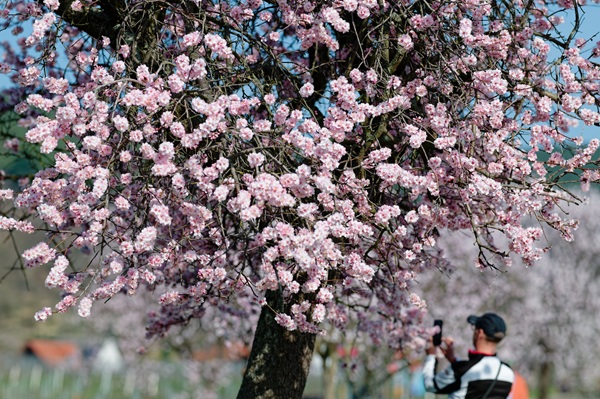
Almond trees flower in late winter, usually from late January into February, and hillsides in the interior turn white and pale pink. Legend ties the blossom to a Moorish king who planted trees to cheer his homesick queen, which is a charming story even if nobody can prove it.
When and where to see the blossom
The timing varies from year to year, depending on the weather, so it pays to check local reports before you travel. Areas inland from Loulé, Silves and Tavira often have the most trees, and the countryside around Alte and Paderne is a favourite for walkers and photographers. Cool mornings and low sun make the petals glow.
The blossom does not last long, and a heavy rain shower can bring the petals down quickly. If you plan a trip around it, allow a few days and stay flexible.
Oranges and local produce
Citrus is part of the landscape too, and the fruit ripens through winter. Roadside stalls and local markets sell oranges, lemons, honey and dried figs, and the flavour is noticeably different from supermarket fruit at home. Markets in Loulé and Silves are well worth a morning.
Other seasonal treats include carob, almonds and the sweet marzipan figures sold in bakeries. Regional cooking leans on fresh vegetables, beans and fish, and winter menus often include slow-cooked stews that suit the cooler weather.
Where to walk
The Rota Vicentina and the Via Algarviana give long-distance walkers a range of routes, and shorter loops start from many villages. The coastal paths near Lagos are spectacular, especially in clear winter light. Wear proper shoes, since paths can be rocky and slippery after rain.
Walkers should carry water, a waterproof layer and a map or offline route, because mobile signal can be patchy in the hills. Local tourist offices often provide route leaflets, and guided walks are popular in the cooler months.
Villages in the hills
Inland villages such as Alte, Monchique and Salir are cooler and greener than the coast. Many have cafes serving regional dishes, including hearty stews and chestnut cakes. Roads are winding, so give yourself time.
Alte is known for its springs and tiled fountains, while Monchique sits in forested hills and has a long tradition of thermal waters. Salir has a ruined castle and views across the surrounding countryside. Each place has its own personality, and a day trip to any of them is a pleasant change from the coast.
What the weather is really like
Winter days in the Algarve are often bright and mild, but evenings can be chilly, and rain does fall. The hills are cooler than the coast, and a breeze can make it feel colder than the thermometer suggests. Layers are the answer, along with a waterproof jacket.
Many houses are not built for winter, so heating is worth asking about if you are renting or buying. A fireplace or a wood burner is a welcome feature on a cold evening.
Why go in winter
You see the region as residents do. Crowds are thinner, prices for accommodation are lower and local life carries on at its own pace. For anyone considering a longer-term move, a winter visit is the most honest introduction.
It also helps to see how a village works out of season: which shops stay open, how busy the cafes are and whether neighbours chat in the street. Those details are hard to guess from a summer trip.
Planning a visit
Faro airport serves the whole region, and winter flights from the UK are reasonably frequent. A hire car is the easiest way to reach the hills, and many rural accommodation options offer good-value stays in the cooler months. Book ahead for weekends in February, when blossom-watchers fill the best places.




Leave a Comment