
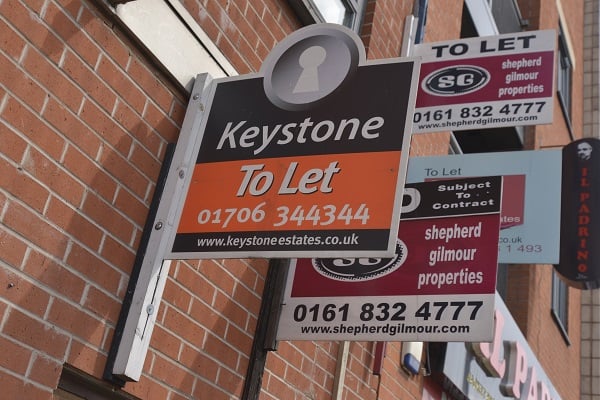
The latest research from Zoopla regarding the UK’s rental market crisis, has revealed that 21 Brits are now competing for every available property.
The UK’s average rent reached £1,245 per month in July, a £63 rise from last year and though there are more rental properties than last year, these numbers still remain below pre-pandemic levels.
One in eight homes listed for sale in July had previously been rental properties, with landlords selling due to higher mortgage rates and changes in tax and regulations.
To combat this affordability crisis, David Hannah, Group Chairman of Cornerstone Tax, the UK’s leading stamp duty advisory, argues that the government should reverse its stamp duty threshold plans, urging this government to avoid a sudden tax increase on homebuyers. David highlights that reducing the stamp duty burden will have long-term economic benefits such as boosting the UK’s housing market by supporting first-time buyers.
With Cornerstone Tax’s research having found that 44% of first-time buyers say that they cannot live in their desired location because of increased house prices in the community, supporting first-time buyers should be a must for the government through its Autumn Budget. Despite stamp duty generating around £13 billion annually, a temporary cut in 2022 caused receipts to surge to £17.5 billion. David Hannah suggests that keeping the existing stamp duty thresholds would further stimulate the property market, and by extension, the national economy.
Homes valued at £250,000 or less are exempt from stamp duty, while those valued between £250,000 and £925,000 face a 5% levy. It’s clear that these thresholds are overdue for a review, with the average UK home now priced at £292,505. Furthermore, Hannah argues that adjusting these bands would not only boost sales for first-time buyers, but also benefit pensioners looking to move up the property ladder.
By increasing demand for mid-to-high-end properties, this would create a ripple effect enabling current homeowners to sell their lower-end properties, and invigorating Britain’s stagnant housing market.
David Hannah, Group Chairman of Cornerstone Tax, said, “The decision from the government to lower stamp duty bands shows a concerning deficit of joined-up thinking. Does this Chancellor and Prime Minister not understand that if they want 1.5 million new homes, they cannot drive landlords out of the market, incur additional charges for first-time buyers and freeze up working capital for developers – which can only be available if these homes are selling.
“These former two measures have further deterred market entrants and if I were a builder, I’d be freezing development until there’s a ready market. Looking at this combination of measures alongside the current structural issues plaguing the property market, it makes previous governments look like Nobel Prize laureates.
The government’s proposed changes act as a reminder of the Development Land Tax, a measure from the 1970s levied on landowners who created value on unused land. At its height, developers were paying 80% on gains and it decimated construction in this country. The lesson learnt is straightforward. You can’t incentivise development and growth through penalisation and taxation.”
He added, “Moreover, I expect stamp duty receipts to fall significantly, then to flatline in Q1 2025, potentially plunging the British property market into a desperate situation. In essence, reducing stamp duty thresholds means that it will ultimately be the consumers who foot the bill.”


Leave a Comment