
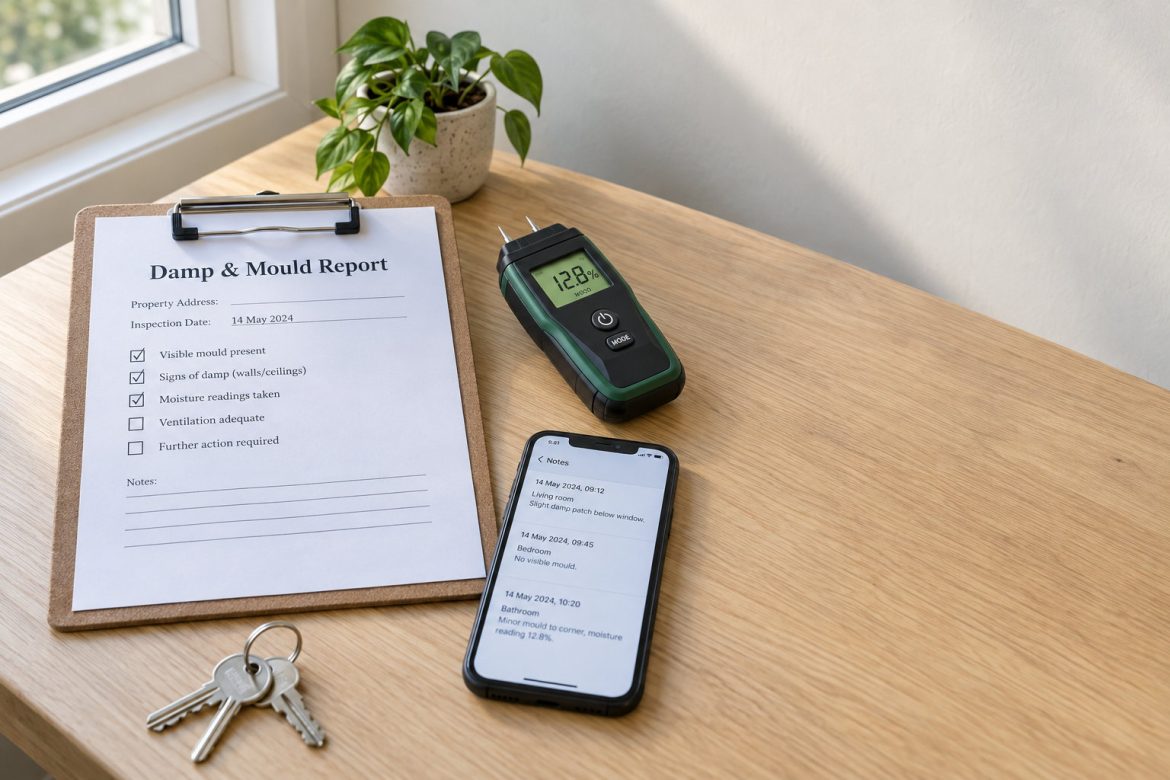
London landlords face renewed scrutiny following the government’s October 2026 consultation on extending Awaab’s Law to the private rented sector. While the law does not currently apply to private landlords, Awaab’s Law private landlords expectations for prompt and thorough response to damp and mould are rising. This article provides practical steps to help you prepare now and avoid future compliance issues.
The consultation on Awaab’s Law underscores the likelihood of tighter regulation around damp and mould in private rentals. As a London landlord, it is wise to act as though higher standards will soon apply, focusing on quick repairs, clear documentation, and current certificates. This includes reviewing damp and mould landlord responsibilities so you can respond consistently and reduce risk. Even before new legislation is confirmed or introduced, staying ahead of best practice can make a real difference for tenants’ wellbeing and your own legal security. Here is how to prepare effectively amid the changing landscape, including likely Renters’ Rights Act repairs expectations.
Act promptly on damp and mould reports
When a tenant reports damp or mould, acknowledge it as soon as possible and arrange access for an inspection. Early response reduces damage, signals professionalism, and meets the growing expectation that landlords be diligent and attentive. Clear damp and mould landlord responsibilities help ensure your investigation and next steps are timely. Fast action helps protect your property as well as assures tenants their concerns are taken seriously.
Carry out a thorough check to identify the likely causes, common issues include condensation from poor ventilation, internal leaks, or external factors like blocked gutters. Take photographs of the affected areas and track any visible patterns, for example, repeated damp patches after rain. Good records support your responsibilities for landlord property maintenance in London and will be useful if future rules require evidence of your actions. Keeping a simple log can also support landlord property maintenance planning between inspections.
Document repairs and keep up-to-date certificates
It is essential to keep accurate written records of your response to every damp or mould issue, from initial tenant reports through to completed repairs. Include the dates of inspections, maintenance work, and any follow-ups to ensure issues are fully resolved. This approach aligns with Renters’ Rights Act repairs style scrutiny, where clear timelines and proof of action can matter. Time-stamped photos offer impartial evidence that problems have been handled efficiently.
Do not overlook your compliance certificates, ensure your gas safety, electrical, and ventilation service documents are valid and easy to access. Up-to-date certificates not only fulfil existing legal duties but help demonstrate a proactive approach if new standards based on Awaab’s Law private landlords obligations are implemented. Maintaining accurate documentation also reassures tenants and helps prevent disputes over the adequacy or timing of repairs, including contested Renters’ Rights Act repairs scenarios.
Strengthen your property maintenance routines
Prevention is as important as response, routine maintenance checks are vital. Schedule regular inspections inside and out, paying close attention to ventilation, gutters, and signs of leaks. Effective landlord property maintenance reduces the chance that small issues become expensive damp problems. Educate tenants about the value of ventilation and encourage them to report early signs of damp or mould, such as musty odours or water stains, so that problems can be addressed quickly.
For landlords with several London properties, the simplest way to stay on top of all this is to have a dependable maintenance partner on call. London-based UpKeep UK (upkeep.co.uk) handles reactive repairs and planned maintenance for landlords, estate agents and property managers, so reports of leaks, damp or mould can be dealt with quickly rather than left to escalate. Using a professional team also leaves you with clear job records showing when each issue was reported and resolved, which is exactly the evidence you would need if the rules tightened further.
By responding quickly to reports, keeping thorough documentation, and ensuring certificates are always current, you will be prepared if Awaab’s Law is extended to the private rented sector. Strong landlord property maintenance habits and well-understood damp and mould landlord responsibilities can also reduce disputes and support safer homes. Even before any legislative change, these steps demonstrate best practice and set a positive example for both tenants and the wider landlord community.



Leave a Comment