
Yard work can feel endless. The grass keeps growing, weeds pop up overnight, and somehow, even after mowing, the lawn still doesn’t look great. Some people spend hours outside every weekend, hoping that more work means better results. But the truth is, it’s not always about doing more—it’s about doing the right things.
There are a few tools that can actually help lawns grow better without turning the whole day into a workout. These tools fix problems people might not even know their grass has. One of the most useful is something most yards could really benefit from—even if it doesn’t get mentioned often.
What’s hiding under the grass
Even if a lawn looks okay from far away, problems can still be hiding just under the surface. A lot of lawns have something called thatch. It’s a layer of dead grass, roots, and debris that sits between the soil and the green part of the lawn. A little bit is normal, but too much stops water, air, and nutrients from getting to the roots.
When that happens, grass can start looking thin, patchy, or dry no matter how much it gets watered. That’s where a dethatcher comes in. It’s a tool made to pull thatch up and out without tearing up the healthy parts of the lawn. It works faster than raking and gets way better results.
Using one just once or twice a year can make a huge difference, especially in spring or early fall. Once the thatch is gone, everything under the grass starts working better, and the whole lawn gets stronger without adding a ton of extra steps.
Mowing less, smarter
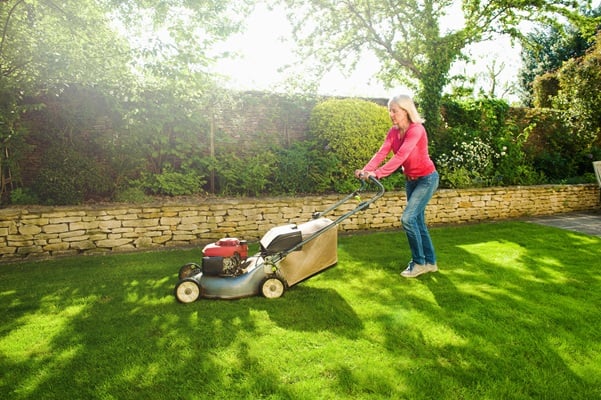
Mowing takes up the most time in yard work. But mowing better doesn’t always mean mowing more. One of the best ways to cut down on time is to mow only when the grass actually needs it—and to make sure the mower’s blades are sharp. Dull blades rip the grass instead of cutting it clean, which leads to brown tips and slower growth.
Electric mowers with built-in height settings make things easier. Set the blade to a height that keeps the grass a little longer—tall grass shades the soil and helps hold moisture. That means fewer weeds and less watering later on.
Also, switching to a mulching mower or one that spreads fine clippings can help feed the lawn naturally without having to bag or rake. It’s a small change, but it saves time and helps the grass at the same time.
Watering without wasting
Watering seems simple, but most people either do it too often or at the wrong times. Watering early in the morning is best. It soaks into the ground without getting wasted from heat or wind. A deep soak a few times a week is better than a quick sprinkle every day. That trains the roots to grow deeper, which helps the lawn stay green longer—especially during hot months.
If watering by hand isn’t working or takes too long, using a timer with a sprinkler setup can save tons of effort. Set it once, and let it handle the rest. That way, the lawn gets what it needs without anyone standing outside with a hose.
Easy fixes for bare or thin spots
Patchy grass isn’t always about poor care. Sometimes it’s just from heavy foot traffic, pets, or weather. Instead of redoing the whole lawn, fixing spots is actually pretty quick. Loosen the soil, sprinkle some grass seed, press it down gently, and keep it damp for about a week or two. That’s usually all it takes.
Using lawn soil or seed mixes made for patch repair helps too. Some even come with fertilizer built in, so the new grass gets a boost right away. Doing small fixes now and then keeps everything looking full without having to start over from scratch.
Skip the chemicals if you can
Lawn fertilizer and weed sprays can work, but they’re not always needed—especially if the soil is in good shape. That’s another reason dethatching helps. Once air and water can reach the roots, grass has a better shot at growing strong enough to crowd out weeds on its own.
Compost or natural lawn food can work just as well for most yards. They feed the soil slowly and safely, without burning the grass. Applying them once in the spring and again in the fall is usually enough.
The same goes for weed control. Pulling weeds by hand after it rains (when the ground is soft) is still one of the fastest ways to deal with them. No fancy tools or sprays required.
Tools that actually help
Some yard tools are more helpful than others. A dethatcher might sound technical, but it’s actually really easy to use. Just plug it in and go. It runs over the lawn like a mower and lifts out that layer of dead grass that’s been clogging things up. It doesn’t take long, and the results show up fast.
Battery-powered gear like trimmers, blowers, and mowers also save time because they’re light, quiet, and don’t need gas. Some even share batteries, so one charger works for all the tools. That means less setup, less cleanup, and more time for something else.
The goal isn’t to have the perfect lawn. It’s to have a lawn that looks good without turning into a full-time job.
Wrapping it up
There are easier ways to get a better-looking yard. A few smart tools and a little bit of know-how can make a big difference. Dethatching clears the way for air and water. Better mowing and watering keeps the grass healthy. Quick patch jobs handle the thin spots. And using battery-powered tools makes the whole process simpler.
No one wants to spend their entire weekend sweating in the yard. With the right moves, lawn care takes less time and gets better results. Less stress. Fewer chores. Healthier grass. That’s a win all around.


Leave a Comment