

As temperatures drop, it’s natural to want your home to feel inviting and cosy. However, as prices soar and the pressures of climate change increase, it’s never been more important to be mindful of usage. With a few simple changes, you can enjoy a snug home without the worry of rising bills. Here are a few tips to get you started.
Improving insulation and draught-proofing
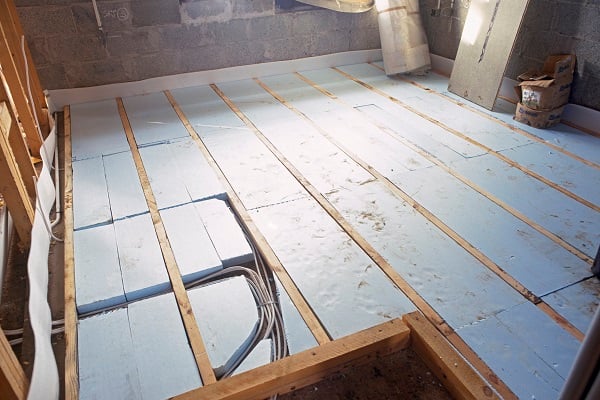
Cold air can seep in through small gaps around windows and doors, causing heat loss. Draught-proofing is a simple fix. Use draught excluders on doors, seal any cracks in the walls with silicone, and make sure your windows are properly shut. If you can, consider insulating your loft or upgrading to double-glazed windows. If this isn’t affordable for you right now, you can use insulating window films to improve heat retention. These changes will help reduce the amount of heat escaping, making your home feel warmer for longer.
Smart heating controls and energy-saving habits
Smart thermostats allow you to set schedules so that your heating only runs when necessary, thus reducing energy waste. Many systems also allow you to control your heating remotely, so you can kickstart the heating whilst on your commute home, ensuring it’s toasty for when you arrive.
Instead of cranking the temperature up too high, try setting your thermostat just a few degrees lower. Additionally, layering up with warm clothes or using fluffy heated blankets in the evenings can help you stay warm without relying on the central heating as much.
Cosy decor and practical furnishings
Fitting quality vertical blinds can help insulate windows, trapping warmth inside and blocking out cold drafts. Soft furnishings, such as throws, cushions, and rugs, not only make your home feel inviting but also provide extra warmth. Arrange your furniture so it doesn’t block radiators or vents, allowing heat to circulate freely.
Adding a few decorative touches, like candles or a faux fireplace, can create a cosy ambience without increasing your heating costs. These little details can make a big difference in how comfortable and warm your home feels.
Energy-efficient lighting for dark evenings
Switch to LED bulbs, which use far less energy than traditional ones and last much longer. Instead of using bright overhead lights, opt for warm-toned lamps and task lighting to create a relaxing atmosphere. Using timers or motion sensors ensures lights aren’t left on unnecessarily, further reducing energy waste.
Embrace comfort without the cost
As winter sets in, it’s easy to feel torn between keeping your home warm and sticking to your budget. However, by taking these thoughtful steps, you can improve your home’s warmth as well as reduce long-term energy consumption. The key is finding balance – creating an environment that’s snug and inviting while being mindful of how much energy you’re using. By staying proactive, you’ll be able to enjoy winter in a home that feels just right, both in comfort and cost.


Leave a Comment