
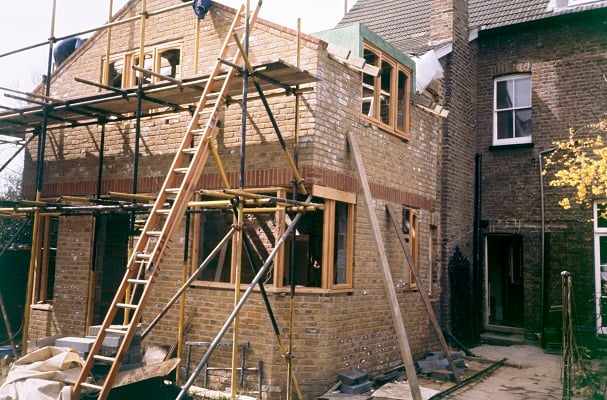
When you step onto a building site, you take on significant responsibility for not only your own success but also the safety and well-being of every person working under your direction. Securing high-value contracts and building a reputation for reliability doesn’t happen by accident; it’s the result of systematically embedding legal, safety, and operational excellence into the very foundation of your business.
This journey requires you to proactively demonstrate technical capability alongside an unwavering commitment to health and safety standards that protect your team and secure your long-term viability in a competitive market.
Understanding the regulatory landscape
As a professional contractor in the UK, you must grasp the non-negotiable legal responsibilities that govern your work. At the core of this framework is the Health and Safety Executive (HSE), the national regulator for workplace health and safety. You need to understand how the HSE implements and enforces the Construction (Design and Management) Regulations 2015 (CDM 2015), which place specific duties on contractors relating to managing and monitoring health and safety throughout a project.
By fully understanding these obligations, you safeguard your business from legal action and fines, building trust with clients who recognise your commitment to a safe working environment.
Establishing your business and governance
Before you can bid for serious work, you must formalise your commercial and legal structure. Start by deciding on the legal entity for your operation; will you operate as a sole trader, a partnership, or establish a limited company? This choice impacts your tax obligations and personal liability.
Simultaneously, securing the right insurance is vital; you need public liability and employers’ liability cover as a minimum to protect against potential claims. Alongside the formal setup, embed strong governance by creating a risk register that systematically identifies potential hazards, assesses their likelihood and impact, and details mitigation strategies, giving you a clear, documented process for managing unforeseen issues on site.
Building a skilled workforce and site-ready systems
You must provide comprehensive training and induction programmes that go beyond the basic mandatory certificates to genuinely embed necessary skills and an understanding of your specific operational standards.
To ensure you can effectively deploy your team on various projects, build robust site management systems early on, including standardised templates for risk assessments and method statements. When you invest in your team’s development and provide clear operational procedures, you not only increase productivity but also reduce the likelihood of costly errors and accidents.
Procurement, project delivery and safety management
Winning contracts requires demonstrable competency and efficient processes. You need to establish clear, ethical procurement practices for materials and subcontractors, ensuring your supply chain meets both quality and safety standards.
Every project requires a tailored site safety management plan outlining procedures for everything from site access control to emergency response. This document is a critical tool for managing your responsibilities under CDM 2015. Moreover, paying close attention to the details of your on-site safety provision pays huge dividends in worker protection and compliance. For example, diligently choosing the right construction safety footwear and other personal protective equipment (PPE) for the specific hazards of a job sends a clear message to your team that you prioritise their wellbeing, thereby enhancing your site safety culture and reducing injury rates.
Continuous improvement and growth strategy
To sustain a professional contracting business, you must treat safety and operational efficiency as an ongoing process, not a one-time setup. Implement regular monitoring and audits of your sites and systems, identifying areas where performance falls short.
After any incident or near-miss, conduct a thorough review to understand the root cause and implement corrective actions that prevent recurrence. Look for opportunities to adopt technology that can enhance safety and efficiency, such as wearable safety devices for monitoring fatigue or digital platforms for real-time safety reporting.
By consistently seeking to refine your processes and embracing innovation, you position your business for scalability, allowing you to successfully manage larger, more complex projects and secure your longer-term commercial growth.


Leave a Comment