
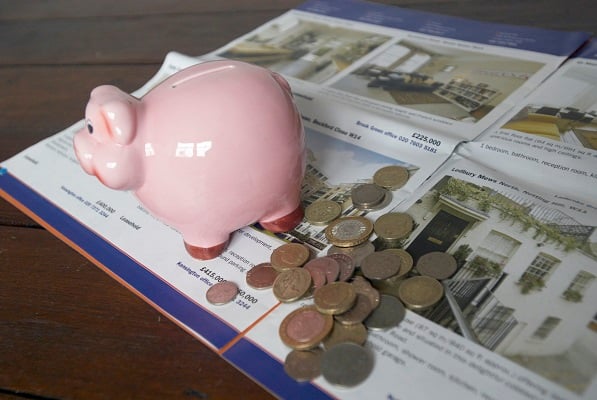
The Tories have scrapped their cynical 99% mortgage policy which was expected to be announced in the upcoming Spring Budget, and new analysis from Yopa, the full-service estate agents, outlines why this political backtrack actually benefits homebuyers in the long-run.
At first, Britain was told that the government’s upcoming Spring Budget would include a 99% mortgage policy, apparently designed to enable more first-time buyers to get a foot on the housing ladder.
But then, at the end of last week, it was quietly announced that the policy is to be scrapped before even being formally announced.
Read more related news:
As lenders report bumper profits, ‘borrowers are being thrown under the bus’
Freehold house price premiums climb by 6.5% year on year, now commanding 42% more than leasehold homes
Average ‘house prices rise back over £260,000’ which is a ‘return to positive growth’
69% of investors express confidence in 2024 returns
The Great EV Divide shows where you live can affect what you drive
Yopa has looked at why 99% mortgages were such a poorly conceived idea in the first place, from the increased mortgage repayments they would have enforced on young buyers, to the colossal house price increases that would inevitably have followed an announcement of this magnitude.
The cost of a 99% mortgages vs traditional mortgage
Yopa’s analysis of mortgage data reveals that, at Britain’s current average first-time buyer house price of £237,655, first-time buyers who took advantage of a 99% mortgage would have required a mere £2,377 up front to cover the 1% deposit.
This is a low barrier to entry compared to the more traditional 85% mortgage which requires an average deposit of £35,648.
However, this incredibly low access threshold would have required the average first-time buyer to shoulder a colossal mortgage loan of £235,278.
At the average first-time buyer mortgage rate of 4.41%, the average monthly repayment on a 99% mortgage would have been £1,296.
Meanwhile, for a more traditional 85% mortgage, on which the total mortgage loan would come to £202,007, the average monthly repayment would be £1,113.
This means 99% mortgages would have cost buyers an additional £183.24 every month, equating to an additional £2,199 over the course of a year. Over five years, this comes to an additional cost of almost £11,000 (£10,994).
House price increases due to high demand
The introduction of 99% mortgages would have resulted in a rush of buyer activity on Britain’s housing market. This increased demand would have come face to face with the nation’s long-running housing shortage and the result would have been significant house price increases not dissimilar to those witnessed in the wake of the COVID-19 stamp duty holiday.
Thanks in no small part to that tax break, the average house price in Britain has increased by an astonishing £55,199 in just five years (2018-2023).
If the 99% mortgage had resulted in similar price hikes, prices would’ve become so artificially inflated that they were left with just one way to go: down. For anyone who made a purchase while prices were at their peak, negative equity would have become a very real and present threat, potentially destroying the capital investment of an entire generation of buyers.
CEO of Yopa, Verona Frankish, said, “From the first moment it was suggested that the Conservatives would introduce a 99% mortgage scheme ahead of this year’s general election, it was widely understood to be a misguided policy that was simply designed to attract younger voters without considering the long-term complications.
Had it come to fruition, the policy would’ve essentially trapped an entire generation of first-time buyers into expensive repayment plans that would have no doubt spurred an increase in the number of those forced to default.
It’s also likely that the inevitable surge in demand caused by such an announcement would have only caused house prices to climb even higher, putting future buyers at a further disadvantage and increasing the risk of negative equity for many more should the market have buckled under the pressure.
“Our nation can now breathe a collective sigh of relief, safe in the knowledge that this ill-advised policy is unlikely to see the light of day.”


Leave a Comment