
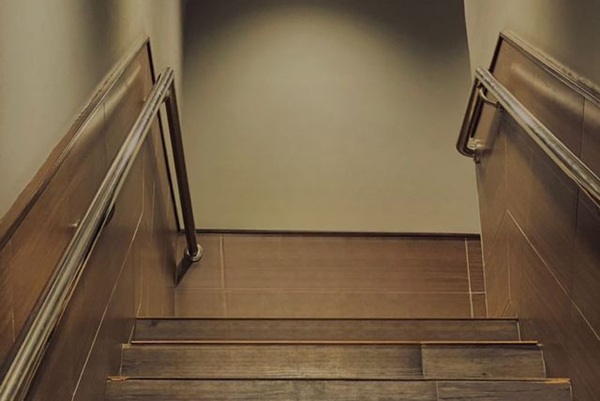
Stair handrails play a crucial role in the safety and visual appeal of any staircase, impacting both the function and design of your property. Selecting the right handrails involves balancing aesthetics, durability, and support for everyday use. Homeowners should carefully evaluate their options to ensure handrails complement the space while providing essential safety features.
Handrails are more than just decorative additions to staircases; they serve as vital safety elements that help prevent falls and accidents in homes of all sizes. When choosing a stair handrail, considering the material, style, and installation requirements is essential to achieving a safe and attractive staircase. The right choices can create a cohesive look throughout your property while contributing to overall comfort and usability for family members and guests.
Evaluating safety and regulatory standards
Before selecting a stair handrail, it is important to ensure that your preferred option complies with local building regulations and safety guidelines. Proper installation and placement of the stair handrail are essential for preventing slips and falls, especially in busy households or multi-level properties where stair usage is high.
Handrails must be positioned at the correct height and firmly fixed to the wall or balustrade to offer stable support. Understanding safety standards and consulting with a professional can help verify that both the design and materials meet regulatory expectations. These steps not only safeguard users but strengthen your home’s long-term value by prioritising dependable stair solutions.
In addition to height and positioning requirements, the diameter and shape of the handrail itself must allow for a comfortable and secure grip. Building codes typically specify that handrails should have a graspable profile, usually between 38mm and 50mm in diameter, enabling users to maintain a firm hold while ascending or descending stairs. For households with young children or elderly residents, considering additional features such as continuous handrails on both sides of the staircase can significantly enhance safety. Regular inspections should also be conducted to ensure that fixings remain tight and that the handrail shows no signs of loosening or deterioration, particularly in high-traffic areas where wear may accelerate over time.
Exploring materials and design options
The variety of materials available for stair handrails enables homeowners to tailor their staircase to their individual style preferences and practical needs. Popular choices include timber, metal, and glass, each offering distinct advantages in terms of durability and visual impact. Timber handrails add warmth and tradition, while metal designs provide contemporary appeal and resilience to heavy use.
Choosing a handrail that fits well with existing decor and the overall look of your home can create a harmonious interior. It is also worth considering finishes that are easy to clean and maintain, ensuring the handrail remains functional and attractive over time. Some homeowners opt for custom designs to better match unusual spaces or specific architectural features within their property.
Beyond the primary material selection, homeowners should also consider the tactile qualities and temperature characteristics of different handrail materials. Timber handrails offer a naturally warm feel that remains comfortable to touch in all seasons, while metal options may feel cold during winter months but provide exceptional strength and a sleek, modern aesthetic. Glass handrails create an open, airy atmosphere and work particularly well in properties with limited natural light, as they allow visibility through the stairwell. Composite materials have also gained popularity, combining the appearance of natural wood with enhanced resistance to moisture and wear. The choice of finish—whether polished, brushed, painted, or stained—can dramatically alter the overall impression of the staircase and should complement other fixtures and fittings throughout the home.
Installation methods and long-term maintenance
The correct installation of a handrail is as important as the design itself. Ensuring that handrails are installed using suitable fasteners and that they securely anchor into the wall or stair structure will maximise safety and durability. A professional installer can provide guidance on positioning handrails to accommodate daily use by all occupants, including children or elderly residents.
After installation, regular checks are recommended to confirm that the stair handrail is still secure and undamaged. Over time, exposure to wear or changing conditions may require periodic tightening or refinishing. By maintaining the handrail properly, homeowners preserve both safety and appearance, ensuring that their choice remains a reliable feature in their staircase for years to come.


Leave a Comment