
The movement of Londoners out of the capital, often referred to as the ‘London Exodus’ has been a growing trend in recent years. The reasons for leaving London are many, ranging from rising property prices and lifestyle changes to the increasing prevalence of remote working.
As a Londoner, you might have considered making this leap yourself. Where are people moving, and what is drawing them away from one of the most dynamic cities in the world?
In this article, we’ll explore the destinations attracting Londoners, from bustling regional cities to serene coastal towns, and provide insights into why these areas are becoming the top choices for new beginnings.
What is the London exodus?
The London Exodus refers to the increasing number of people leaving London, particularly since the Covid-19 pandemic reshaped how we live and work. Remote working freed many from the need to live close to their workplace, making the high costs of living in London harder to justify.
For many, the choice is not just about affordability, but about quality of life. You may find yourself longing for more room to breathe, greener surroundings or a stronger sense of community. This trend is particularly pronounced among young families, professionals and retirees, who seek better value for money in housing and a slower pace of life outside the capital.
The appeal of regional cities
If you’re drawn to the vibrancy of city life but want to escape London’s spiralling costs, regional cities like Manchester, Birmingham, Leeds and Bristol may offer the perfect balance. These cities have witnessed significant investment in infrastructure, culture and housing over the last decade, making them increasingly attractive.
In Manchester, for example, the booming tech and media industries are creating new job opportunities. The city also boasts cultural landmarks such as the Whitworth Art Gallery and a lively music scene. Meanwhile, Birmingham’s central location and revitalised city centre appeal to professionals and families alike. Leeds offers strong job prospects in finance and legal services, alongside thriving arts and culinary scenes. Bristol, with its eco-conscious vibe and creative energy, has become a magnet for those who value a blend of urban living and proximity to nature.
Smaller regional cities often have more affordable new build homes compared to London, and you’ll also find a variety of housing options, from modern flats to spacious family houses.
The rise of commuter towns
For many, leaving London entirely isn’t feasible or desirable. Instead, you might consider commuter towns that offer the best of both worlds – more space and affordability while maintaining access to the capital. Popular options include places like Reading, Guildford, St Albans and Sevenoaks.
These towns benefit from excellent transport links, often with fast train services that make commuting to central London manageable. For example, St Albans offers a picturesque, historic setting with a commute of just 20 minutes to St Pancras. Similarly, Reading, now part of the Elizabeth Line, offers a mix of urban and suburban living with a commute under an hour.
Coastal and rural retreats
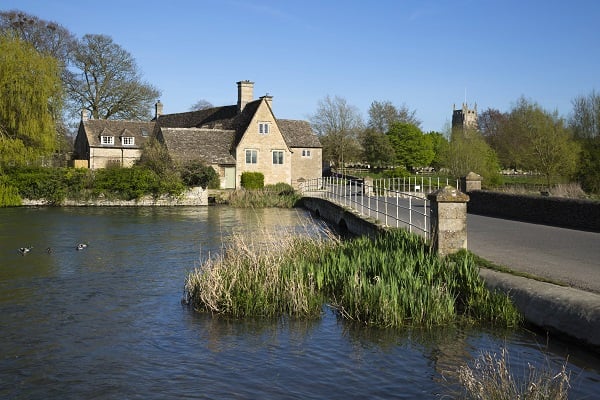
For some Londoners, the ultimate goal is a complete lifestyle change. Coastal and rural areas like Cornwall, Norfolk, the Cotswolds and parts of Sussex are attracting those who crave a slower pace of life and a closer connection to nature.
Cornwall, for instance, has seen a surge in popularity, thanks to its stunning coastline and growing reputation as a hub for remote workers. Norfolk offers picturesque villages and waterways, while the Cotswolds combine rural charm with proximity to larger cities like Oxford. For those considering Sussex, towns like Lewes or coastal retreats like Brighton offer a blend of countryside and cultural sophistication.




Leave a Comment