
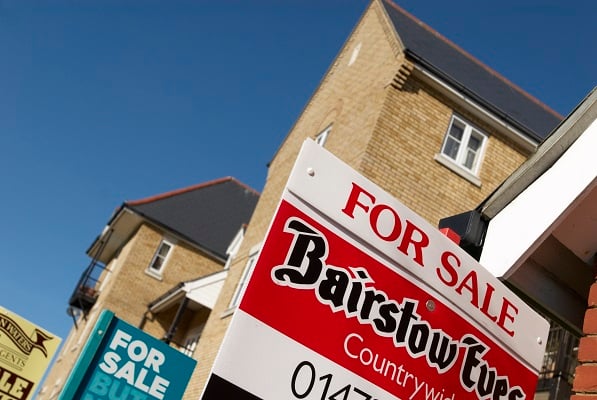
The process of selling a property typically takes between 8 to 12 weeks, but disorganised paperwork can significantly prolong this timeline. To prevent delays and streamline the process, it’s crucial to organise your documentation before listing your residential property. Here’s a comprehensive list of documents to have ready when selling your home:
- Memorandum of Sale
This document summarises key details of the transaction, including the property’s address, the names of the parties involved, their solicitors’ contact details, and the agreed sale price. - Compliance Documents
As the seller, whether you’re the registered proprietor or have authorisation to sell on behalf of the owner, your identity must be verified. This is often done through an online platform using a smartphone, tablet, or laptop with a camera. Ensure you have a valid form of identification and recent proof of address (e.g., a utility bill from the last three months). If you’re not the registered owner, additional proof, such as a Grant of Probate, Letters of Administration, or Power of Attorney, is required. - Land Registry Title Documents
If you have the original property deeds, provide them to your solicitor at the start of the transaction. Title deeds confirm your ownership and contain essential information, including rights of way. Although most property data is maintained by HM Land Registry, up to 15% of land in England and Wales remains unregistered, making title deeds crucial in establishing ownership history. - Completed Protocol Forms
Depending on whether your property is freehold or leasehold, you will need to complete the following forms:- Property Information Form (TA6): Provides the buyer with information about the property and utilities.
- Fittings and Contents Form (TA10): Confirms which items will be included in the sale.
- Leasehold Information Form (TA7): Required for leasehold properties, this form details service charges and lease terms.
Carefully review the Explanatory Notes before filling out each form and return them to your solicitor promptly to avoid delays.
- Energy Performance Certificate (EPC)
An EPC is mandatory when selling property and is valid for 10 years. Check the EPC register to confirm if your certificate is current. If not, arrange for a certified assessor to conduct a new energy assessment. - Guarantees and Warranties
If the property has undergone work for damp, invasive plants, or other issues, you must provide receipts and guarantees for these treatments. Additionally, ensure any warranties for white goods being left behind can be transferred to the buyer. - Service Records
Buyers often request recent service records for boilers and electrical work. Organise and share these records with your solicitor to demonstrate responsible maintenance. - FENSA Certificate
If you’ve replaced windows during your ownership, a FENSA certificate should be provided to confirm compliance with building regulations. - Planning Permission and Building Regulations Certificates
If you’ve made alterations to the property, the buyer’s solicitor will request evidence that building regulations and planning permissions were adhered to. Provide these certificates to your solicitor at the beginning of the transaction. - Other Material Information
You are obligated to disclose any ‘material information’ that may impact a buyer’s decision, such as a history of disputes or flooding. Reflect on events during your ownership and share relevant documentation with your solicitor.
Conclusion
Selling a property can be daunting, but by having this documentation ready, you can significantly reduce potential delays in the transaction.



Leave a Comment